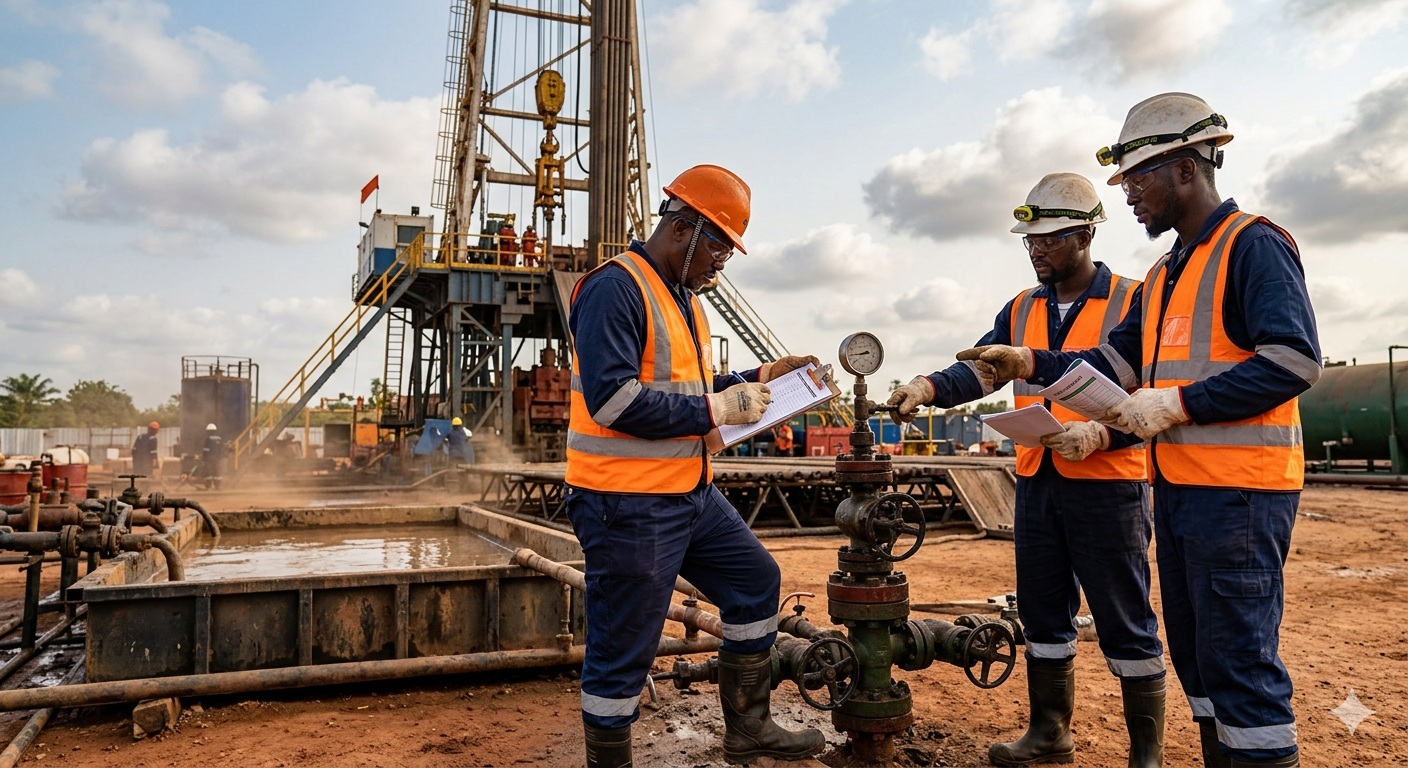
Essential Safety Practices in Oilfield Operations
Safety is a top priority in the oil and gas industry. Oilfield operations involve heavy equipment, hazardous materials, and high-pressure systems that require strict safety procedures.
Maintaining strong safety practices helps protect personnel, equipment, and the environment.
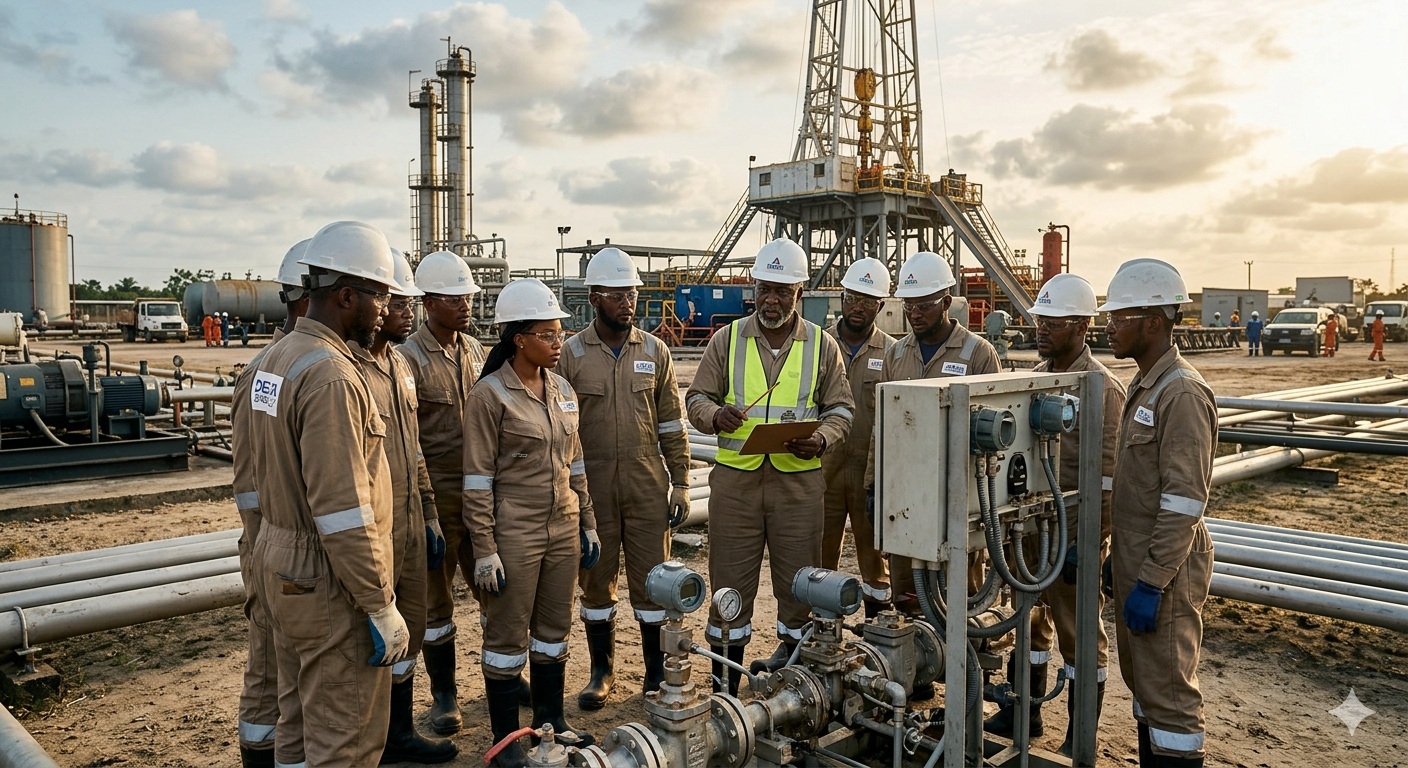
Importance of Safety in Oilfield Operations
Effective safety practices help:
- Prevent workplace accidents
- Protect workers and equipment
- Reduce operational downtime
- Ensure regulatory compliance
Key Safety Practices in Oil & Gas Operations
1. Proper Use of PPE
Workers should wear appropriate personal protective equipment including hard hats, gloves, goggles, and safety boots.
2. Equipment Inspection
Regular inspection and maintenance of equipment help prevent operational failures.
3. Safety Training
Personnel should receive continuous safety training and operational guidance.
4. Hazard Identification
Identifying workplace hazards helps reduce the risk of accidents.
5. Emergency Response Planning
Oilfield operations should maintain clear emergency response procedures.
Building a Safety Culture
Strong safety culture encourages accountability, teamwork, and compliance with industry best practices.
Conclusion
Maintaining high safety standards is essential for successful oilfield operations.
Companies that prioritize safety improve operational reliability and workforce protection.
Explore Our Services Today!
Learn more about our professional Services:
Contact us for other specialized services